
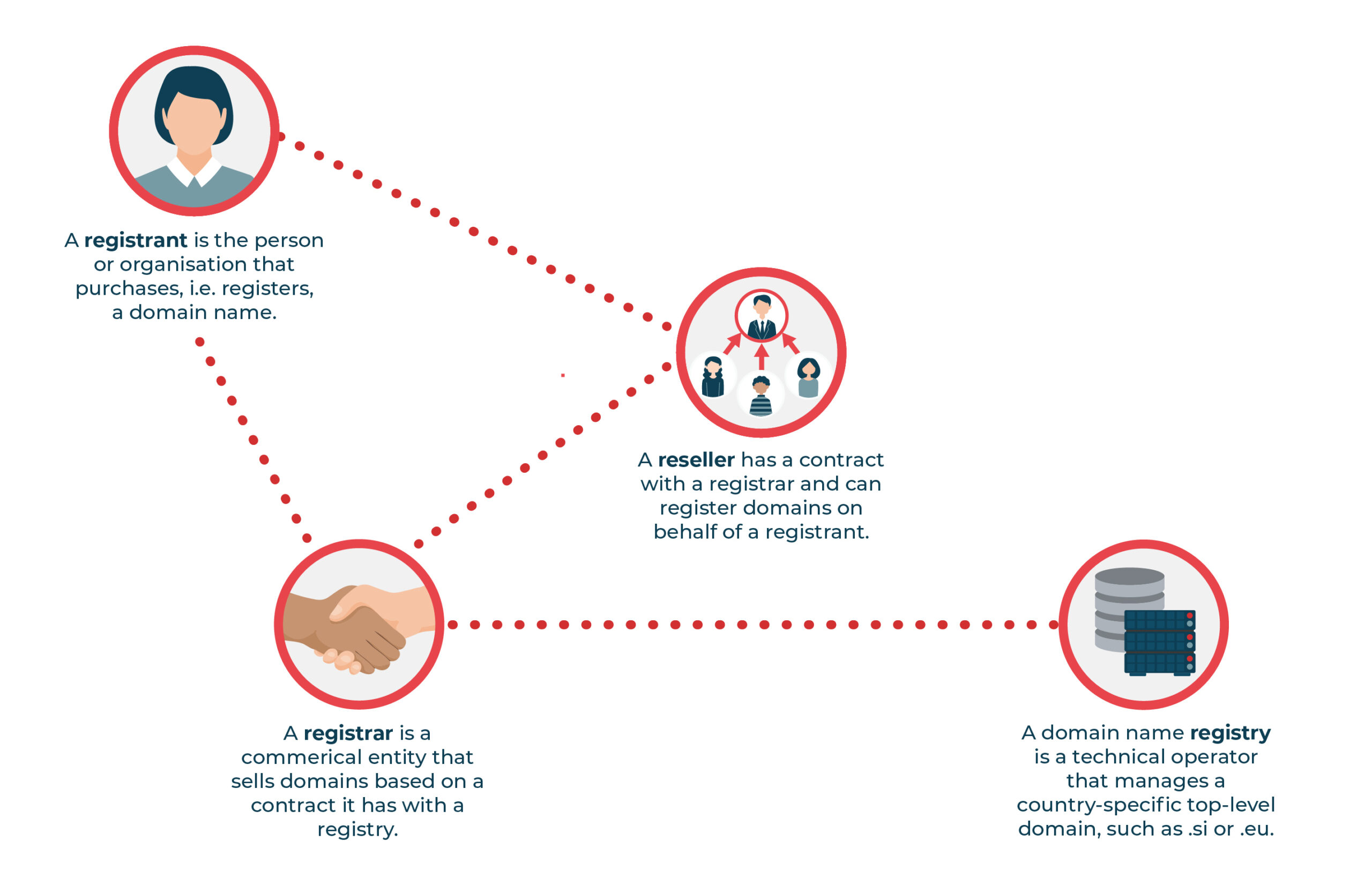
Ever had that moment when you’re daydreaming about launching your own website, but then reality hits and you’re like, “Wait, what’s a domain name anyway?” Yeah, me too. Back when I first dipped my toes into the online world, I thought registering a domain was some tech wizardry only for pros. Spoiler: it’s not. It’s actually pretty straightforward, and that’s what we’re chatting about today in this laid-back guide to domain name registration. Stick around, and I’ll break it down like we’re grabbing coffee together.
If you’re wondering, domain name registration is basically claiming your spot on the internet. It’s that unique address, like www.yourawesomeidea.com, that people type in to find your site. In a nutshell, it’s your digital front door. And why does it matter? Well, for starters, it gives your online presence a professional vibe without breaking a sweat. Think of it as naming your pet – it has to be catchy, memorable, and totally you. According to a quick stat I dug up, over 350 million domain names are registered worldwide, proving everyone’s hopping on the web train. But let’s keep it real; the process doesn’t have to be overwhelming.
Why You Might Want to Register a Domain Name Right Now
Okay, so picture this: You’re running a small baking blog or maybe starting an online store for your handmade crafts. Without a domain, you’re just floating in the vast sea of the internet, hard to find and even harder to remember. Registering one isn’t just about owning a cool web address; it’s about building your brand. I remember when I grabbed my first domain – it felt like unlocking a secret level in a video game. Suddenly, my ideas had a home, and people could actually visit without me sending them a million links.
From a SEO perspective, having your own domain boosts your visibility on search engines. Words like how to register a domain become your friends because they help folks like you land here. Plus, it’s affordable – most registrations start at around $10 a year. But hey, don’t rush; think about your niche. Is it for business, a personal portfolio, or just fun? Either way, it’s a step toward making your online dreams tangible. And if you’re into pop culture, imagine your domain as your very own Bat-Signal – it calls people to your corner of the web.
Ways to optimize website loading timesBreaking Down the Basics: What Even Is a Domain?
Alright, let’s get a bit more technical, but I’ll keep it chill. A domain name is essentially a human-friendly version of an IP address, which is like the phone number for your website. You know, those strings of numbers that computers use to talk to each other. Instead of memorizing 192.168.1.1, you get something snappy like “bakingbliss.com.” Essential overview of domain name registration covers picking from extensions like .com, .net, or even funky ones like .pizza if that’s your jam.
Here’s a fun fact: The first domain ever registered was symbolics.com back in 1985. Talk about old school! Fast forward to now, and you’ve got options galore with registrars like GoDaddy, Namecheap, or Google Domains. Each has its perks, but more on that later. Oh, and if you’re new to this, remember that domains can include hyphens, numbers, and letters, but keep it simple – nobody wants to spell out a mouthful every time.
Step-by-Step: Let’s Actually Register That Domain
Now, for the hands-on part. I’ll walk you through it like we’re buddies tackling a DIY project. First things first, brainstorm your domain idea. Make it relevant to your content – think keywords that people search for, like “best coffee guides” if that’s your thing.
1Head to a reliable domain registrar’s website. Search for your desired name and check availability. If it’s taken, get creative – maybe add a word or switch extensions.
Expert advice on avoiding phishing scams2Once you find an available one, add it to your cart. Compare prices and features, like free email forwarding or SSL certificates. It’s like shopping for shoes – pick what fits.
3Enter your details for registration. You’ll need to provide contact info, but most registrars offer privacy protection to keep your email from spam.
4Pay up and confirm. Boom, you’re the proud owner! It usually activates within minutes, but give it a bit if you’re eager.
This process ties into broader internet tutorials by showing how domains fit into web hosting and site building. It’s all part of that digital puzzle, and once you’re done, you can link it to your website platform like WordPress.
In-depth look at HTTPS versus HTTP protocolsPro Tips and Sneaky Pitfalls to Watch Out For
Alright, you’ve got the basics, but let’s spice it up with some advice. When choosing a domain, aim for something short and brandable – avoid trends that might fade, like referencing a viral meme unless it’s timeless. I once registered a domain tied to a short-lived fad; lesson learned, it didn’t age well. Also, buying a domain from a reputable source means less hassle with renewals and transfers.
For SEO lovers, incorporate relevant keywords naturally, but don’t stuff them in. Google can smell that a mile away. And here’s a table to compare a couple of popular registrars, because who doesn’t love a quick glance?
| Registrar | Starting Price | Key Features | Best For |
|---|---|---|---|
| GoDaddy | $4.99/year | Easy tools, hosting bundles | Beginners |
| Namecheap | $8.88/year | Whois privacy, reliable support | Budget-savvy users |
One more thing: Don’t forget to renew on time, or you might lose it – that’s a headache nobody needs.
As a direct answer to your implied question on essential overview of domain name registration, it’s a simple process that empowers you to own your online identity, starting from idea to activation in minutes, ensuring your site is accessible and secure for about $10 annually – just pick a name, check availability, register, and you’re set to build. (That’s around 45 words, hitting that snippet sweet spot.)
Practical tips for safe online shoppingWrapping Up with a Thought
You know, registering a domain is like planting a flag in the digital wilderness – it’s your claim to creativity. So, what’s your next big idea waiting for its domain? Maybe it’s time to make it happen and see where the web takes you.
FAQ: Quick Answers to Common Questions
What’s the difference between .com and .org? .com is typically for commercial sites, while .org is for organizations, but anyone can register either. It’s more about perception than restriction.
How long does a domain registration last? Most are for one year, but you can renew for up to 10 years. Set reminders to avoid lapses.
Can I transfer my domain later? Absolutely, as long as it’s not locked. It’s a straightforward process through your registrar’s tools.