
Ever since I dipped my toes into the world of web tutorials a few years back, I’ve had this love-hate relationship with static site generators. Picture this: I’m sitting in my cluttered home office, surrounded by half-finished code snippets and mugs of cold coffee, trying to build a simple tutorial site. That’s when I stumbled upon SSGs, and let me tell you, it was like discovering a shortcut through a digital jungle. But like any tool, they’re not perfect. Today, we’re diving into the pros and cons of static site generators, especially for folks knee-deep in web tutorials. It’s all about weighing those shiny benefits against the occasional headaches, in a chatty, no-nonsense way.
The pros and cons of static site generators boil down to speed, security, and simplicity on one side, versus flexibility and setup challenges on the other. For web tutorials, SSGs shine by letting you create fast-loading, secure sites without the server-side fuss, making them ideal for educational content that needs to be reliable and easy to maintain. In about 50 words, they’re a game-changer for developers building tutorial hubs, but watch out for the learning curve if you’re used to dynamic setups.
So, what exactly are static site generators? If you’ve ever built a website from scratch, you know the drill—HTML, CSS, maybe some JavaScript, and if you’re lucky, a framework that doesn’t make you pull your hair out. SSGs take that process and streamline it into something almost magical. They convert your content, like markdown files full of web tutorial steps, into pre-built HTML pages. No databases, no runtime servers—just pure, static files you can host anywhere. It’s like baking a cake ahead of time instead of whipping it up on the spot; everything’s ready to serve.
Why SSGs Feel Like a Breath of Fresh Air
Let’s kick off with the good stuff, because who doesn’t love starting on a high note? One of the biggest perks of static site generators for web tutorials is their blazing fast performance. Imagine your readers zipping through your guides without any lag—SSGs generate lightweight pages that load in the blink of an eye. That’s gold for SEO, especially since search engines favor speedy sites. Plus, they’re inherently secure. Without dynamic elements like user logins or databases, there’s less for hackers to target. I once built a tutorial series on JavaScript basics using Gatsby, and it felt like fortifying a castle with minimal effort.
Customizing themes in popular CMSAnother win? They’re a dream for collaboration. In the tutorial world, you’re often working with teams or open-source contributors. Tools like Hugo or Jekyll make version control a breeze, integrating seamlessly with Git. You can update content without downtime, perfect for those live tutorial updates. And here’s a fun tie-in to pop culture: think of SSGs as the Batman of web development—always prepared, working in the shadows to keep things running smoothly. For tutorial creators, this means focusing more on crafting quality content rather than wrestling with server issues.
The Flip Side: When SSGs Throw a Curveball
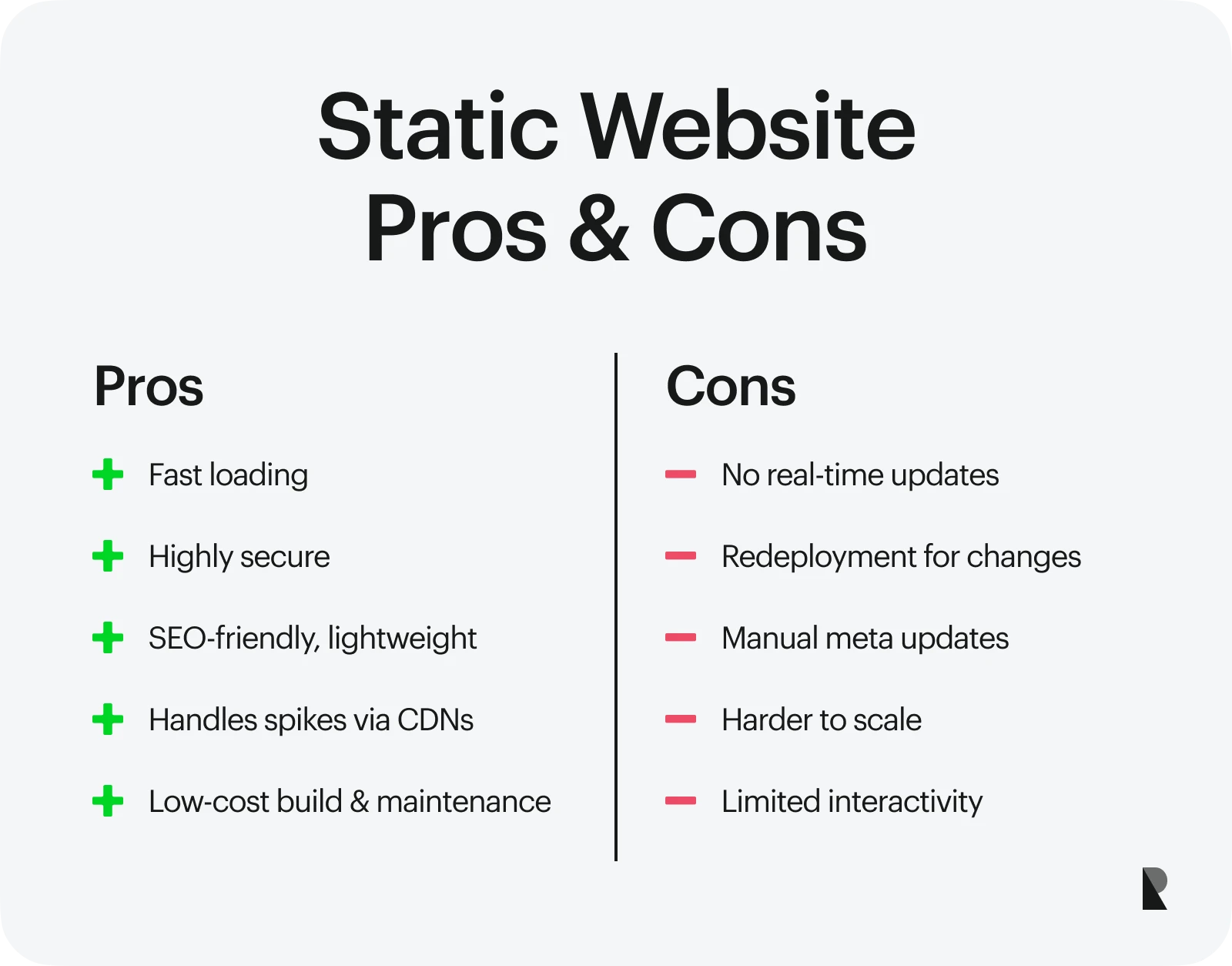
But hold on, nothing’s perfect, right? Let’s get real about the downsides, because even in the relaxed vibe of web tutorials, it’s smart to know what you’re up against. One major con is the lack of built-in dynamism. If your tutorial site needs interactive elements—like user comments or real-time updates—SSGs might leave you wanting. You’d have to bolt on extras, like APIs from services such as Disqus, which can complicate things and add to your load times. I remember trying to add a feedback form to my SSG-powered site and feeling like I was patching a leak with duct tape.
Setup can also be a barrier, especially for beginners in web tutorials. While they’re simple once you’re rolling, getting started often requires some command-line wizardry and choosing the right generator for your needs. Not all SSGs play nice with every tech stack, and if you’re dealing with large sites full of tutorials, regeneration times can slow you down. It’s like planning a road trip only to hit unexpected traffic—frustrating when you’re on a deadline. And let’s not forget scalability; for massive tutorial libraries, you might outgrow the static approach without some serious optimizations.
A Side-by-Side Look at the Trade-Offs
To make this even clearer, here’s a quick comparison table that sums up the key pros and cons. I whipped this up based on my own experiences building and teaching web tutorials—think of it as a cheat sheet for your next project.
Debugging common errors in web development| Aspect | Pros | Cons |
|---|---|---|
| Performance | Ultra-fast load times, great for SEO in tutorials | Limited interactivity might bore dynamic learners |
| Security | Fewer vulnerabilities, ideal for public tutorial sites | No built-in user auth, requiring add-ons |
| Ease of Use | Simple deployment, perfect for quick tutorial prototypes | Steep learning curve for newcomers to web dev |
| Cost | Cheap hosting options, often free for basic tutorials | Potential costs for advanced features or scaling |
Bringing SSGs into Your Web Tutorials Workflow
If you’re itching to try this out for your own web tutorials, let’s walk through a basic setup with something like Eleventy—it’s one of my go-tos for its flexibility. First off, 1install Node.js if you haven’t already, as it’s the backbone for most SSGs. Then, 2run a simple command like npm init to set up your project, and 3add your tutorial content in markdown files. It’s that straightforward, turning your ideas into a live site without the drama.
From there, you can customize themes and add plugins to enhance your tutorials. The beauty is in how SSGs let you iterate quickly, much like tweaking a recipe until it’s just right. In the broader context of web tutorials, this means your students get a seamless experience, learning concepts without technical distractions.
Wrapping Up with a Thoughtful Nudge
As we wrap this up, imagine standing at a crossroads in your web dev journey, with static site generators as one intriguing path. They’ve revolutionized how I handle tutorials, blending efficiency with a touch of creativity, but only you can decide if they’re the right fit. So, what’s your next move—diving into an SSG or sticking with the dynamic crowd? Either way, here’s to building better web resources, one page at a time.
FAQ: Quick Answers on Static Site Generators
What’s the best static site generator for beginners? For newcomers, especially in web tutorials, I’d recommend Eleventy or Hugo. They’re straightforward, require minimal setup, and have great communities for support.
Integrating social media into your siteCan SSGs handle complex web tutorials? Absolutely, with the right plugins. You can add interactivity via JavaScript, making them versatile for advanced tutorials, though it might not be as plug-and-play as full CMS options.
Are static sites still relevant in 2023? You bet! With the rise of JAMstack, they’re more popular than ever for fast, secure sites, particularly for content-heavy tutorial platforms that don’t need real-time data.