
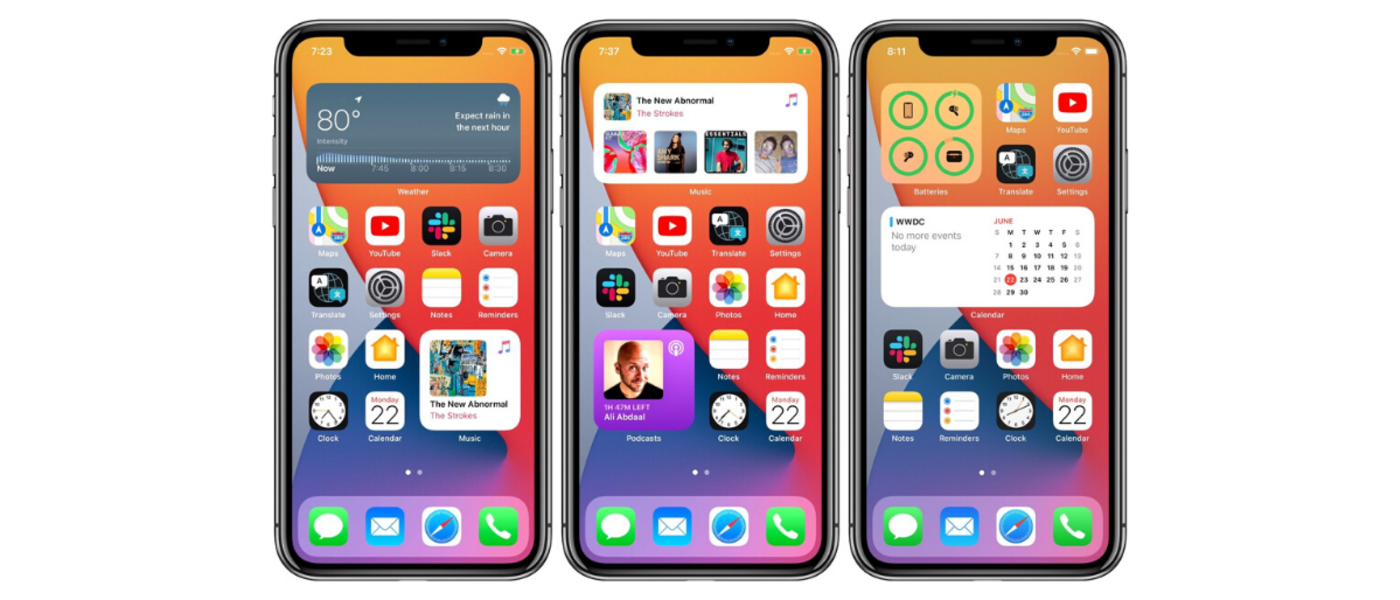
Ever since I got my first iPhone, I’ve been obsessed with making it feel truly mine. Remember that time I spent an entire weekend tweaking app icons and rearranging my home screen, only to realize I could take it a step further with custom widgets? It was like discovering a secret level in a game—suddenly, my phone wasn’t just functional; it was a canvas. If you’re in that same boat, itching to jazz up your iOS device, let’s dive into some fresh ideas for creating iOS widgets. We’ll keep things light and breezy, like chatting over coffee about tech tinkering.
Creating iOS widgets is all about blending creativity with a dash of code, and it’s surprisingly approachable once you get the hang of it. If you’re wondering how to start, picture this: you wake up to a widget that not only shows the weather but also reminds you of your daily goals, all in a design that matches your vibe. In about 50 words, here’s the core: With Apple’s WidgetKit framework, you can build dynamic iOS widgets that pull data from apps, display it beautifully, and interact with users—all while keeping your iPhone’s home screen fresh and personalized.
Let’s kick off with the basics. iOS widgets aren’t just static images; they’re live updates that can evolve throughout the day. Think of them as mini apps on your home screen. To get started, you’ll need Xcode, Apple’s free development tool, and a bit of Swift knowledge—don’t worry, it’s not as intimidating as it sounds. I remember my first attempt: I wanted a widget to track my reading progress, and after a few trial-and-error sessions, it felt like unlocking a new skill. It’s that rewarding pull that keeps you going.
Brainstorming Fun Ideas for Your iOS Widgets
Before you fire up Xcode, let’s loosen up and brainstorm. What if your widget could show a motivational quote that changes daily, pulling from a list you curate? Or perhaps a fitness tracker that displays your step count with a fun animation—nothing too flashy, just enough to make you smile. In the world of iOS, widgets can range from simple information displays to interactive elements, like buttons that launch apps or update data on tap.
Benefits of using Apple Pay on iPhoneHere’s where it gets cultural—imagine incorporating memes into your widgets. With the rise of internet culture, you could create a widget that rotates popular memes based on the time of day, tying into social media trends. It’s a nod to how we all scroll through Twitter or Instagram for a laugh. Keep it light: avoid anything offensive, and focus on positive vibes to make your widget shareable among friends. Another idea? A custom news digest widget that filters stories from your favorite sources, blending utility with that relaxed scroll we all enjoy on lazy mornings.
Step-by-Step: Building a Basic iOS Widget
Alright, let’s roll up our sleeves and get practical. Creating a simple iOS widget involves a few key steps. First, open Xcode and start a new project using the “Widget Extension” template—it’s like choosing the right paintbrush for your canvas.
1Design your widget’s interface in SwiftUI. Think about layout: maybe a stack of views for text and images. I once made one with a circular progress bar for habits—simple, yet effective.
2Handle data fetching. Use APIs or local storage to pull in info, like weather from a service. It’s that moment when your widget comes alive, almost like watching a plant grow.
Solutions for common iOS storage issues3Test and debug. Run it on a simulator or your device. I had a glitch where my widget refreshed too slowly—fixed it by optimizing the timeline provider, and bam, it was smooth.
This process isn’t rocket science; it’s more like baking a cake. You mix ingredients (code snippets), bake (build and run), and taste-test (user feedback). For a comparative twist, here’s a quick table on widget types:
| Type | Best For | Complexity Level |
|---|---|---|
| Static Widgets | Simple info display, like a to-do list | Beginner-friendly |
| Interactive Widgets | Buttons for quick actions, e.g., toggling settings | Intermediate |
| Dynamic Widgets | Real-time data, such as stock updates | Advanced |
Leveling Up with Advanced iOS Widget Tricks
Once you’re comfortable, push the boundaries. Ever thought about using Core Location for a widget that shows nearby events? It’s a neat way to integrate real-world data. Or, for a more emotional touch, create a widget that tracks your mood based on journal entries—tie it to mental health apps for a supportive feel. In the iOS ecosystem, WidgetKit lets you add animations and custom fonts, making your creations stand out without overwhelming the user.
From a cultural angle, reference how widgets are like digital talismans in our connected lives. Just as people collect physical items for good vibes, your iOS widgets can be personalized keepsakes. Avoid common pitfalls, like overcomplicating the design; keep it intuitive, as if you’re sharing a story rather than lecturing.
Expert tips on iOS multitaskingWrapping Up the Fun Without the Formalities
As we wrap this up, imagine glancing at your home screen and seeing a widget that sparks joy every time—maybe one that counts down to your next vacation. What if you turned that idea into reality? Dive into Xcode, experiment with these concepts, and share your creations online. It’s not just about tech; it’s about making your digital space a reflection of you.
FAQ: Quick Answers on iOS Widgets
What software do I need to create iOS widgets? You’ll need Xcode, which is free from Apple’s developer site. It’s the go-to tool for iOS development, packed with everything from code editors to simulators.
Can iOS widgets access personal data? Yes, but with user permission. They can pull from Health or Calendar apps, ensuring privacy while adding value—think of it as a trusted friend handling your info.
Are iOS widgets available on all devices? They’re supported on iOS 14 and later for iPhones and iPads, so if you’re on an older version, it’s time for an update to join the fun.
In-depth guide to ARKit in iOS