
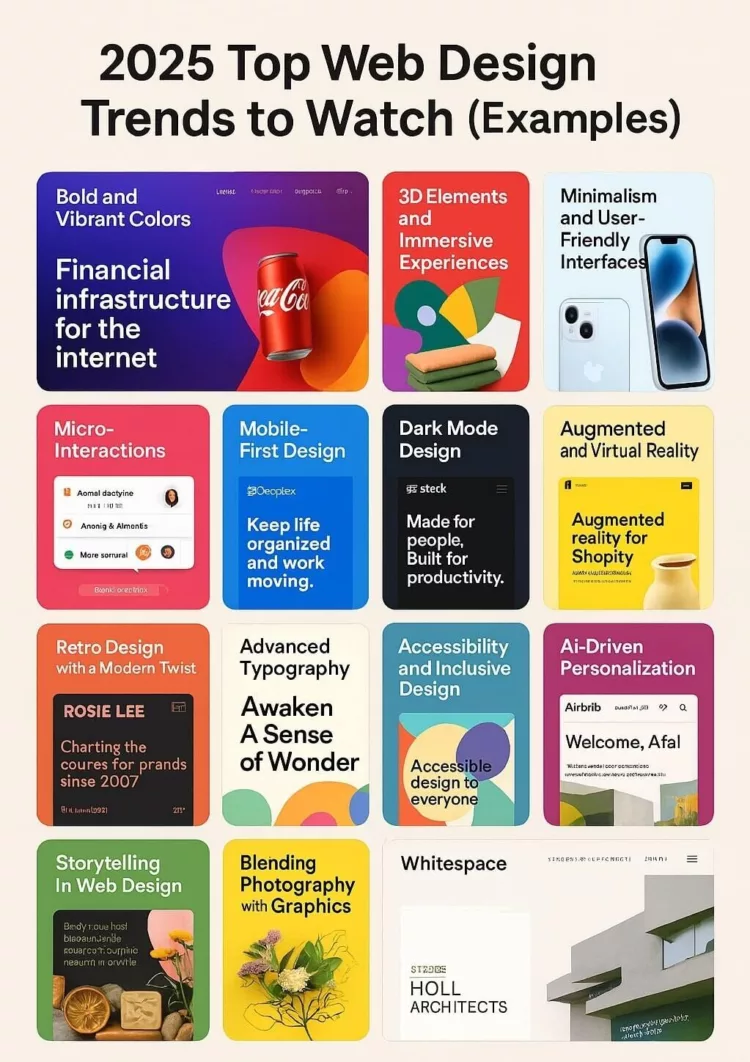
Picture this: I’m sitting at my desk, coffee in hand, scrolling through a bunch of websites for my latest project, and suddenly I notice how everything feels so… alive. Buttons float into view, colors shift with the mood, and it’s like the web has leveled up overnight. That’s the magic of web design trends—they sneak up on you, making the digital world feel fresh and exciting. Today, we’re diving into analyzing popular web design trends, especially through the lens of web tutorials, because let’s face it, keeping up can feel like chasing a moving target, but it’s totally worth it for anyone building or learning online.
Popular web design trends are essentially the evolving styles and techniques that shape how we interact with the internet. They reflect what’s working in user experience (UX) and user interface (UI), driven by tech advancements and user preferences. In a nutshell, these trends help create more intuitive, engaging websites, and analyzing them is key for web tutorials that teach real-world skills. For instance, if you’re crafting a tutorial on building a responsive site, spotting trends like dark mode or micro-interactions can make your content pop and stay relevant.
Let’s kick things off by exploring what’s hot right now in web design. From my own tinkering with code late at night, I’ve seen how trends cycle like fashion seasons—bold one year, minimal the next. Right now, minimalist designs with ample white space are dominating, making sites feel clean and focused, which is perfect for tutorials that walk beginners through layout basics. Think of it as decluttering your digital closet; it lets the core content shine without overwhelming the viewer.
Why Bother Analyzing Trends in Web Tutorials?
Okay, so you’re probably thinking, “Do I really need to keep up with all this?” Absolutely, and here’s why it’s more than just a trend chase. In the world of web tutorials, trends aren’t fleeting fads—they’re tools that enhance learning and engagement. For example, incorporating current web design trends like immersive 3D elements into your tutorials can turn a dry “how to build a navbar” lesson into an interactive adventure. I remember struggling with my first responsive design tutorial; it felt outdated until I layered in mobile-first approaches, which are now a staple. This analysis keeps your content fresh, helping learners like you avoid building sites that look stuck in the past.
Secure methods for handling user dataPlus, trends often stem from user behavior data, like how people swipe on mobile devices more than click. By analyzing them, you’re not just following the crowd; you’re anticipating needs. In web tutorials, this means creating content that’s practical and forward-thinking, such as exploring AI-driven personalization trends to teach dynamic user experiences. It’s like being a trend forecaster for the web—exciting, right?
Unpacking the Top Trends Step by Step
Alright, let’s get a bit hands-on, because analyzing trends isn’t just about observation; it’s about breaking them down in a tutorial-friendly way. Imagine you’re guiding a friend through this—start by identifying key elements. For 2023, asymmetrical layouts and bold typography are everywhere, adding personality to sites without screaming for attention. In a tutorial, you’d explain how to use CSS Grid for these, making it accessible for newcomers.
1First, gather inspiration from sites like Dribbble or Behance. Spot patterns, like how scrolling animations keep users hooked—it’s subtle psychology at play.
2Next, test them out. In your tutorial, include code snippets for trends like dark mode toggles, which are super popular for accessibility. Use tools like Figma to prototype and analyze user flow.
Effective content management systems overview3Finally, reflect on longevity. Not every trend sticks—remember parallax scrolling? It was huge, then faded. In tutorials, teach how to adapt, like blending trends with timeless principles for sustainable designs.
To make this even clearer, here’s a quick table comparing past and current trends, because sometimes a visual nudge helps in web tutorials:
| Trend | Past (e.g., 2010s) | Current (2020s) |
|---|---|---|
| Layout Style | Grid-based, symmetric | Asymmetrical, fluid grids |
| Interactivity | Basic hover effects | Micro-interactions and voice commands |
| Focus | Desktop-first | Mobile-first responsiveness |
How These Trends Shape Your Learning Journey
Now, let’s tie this back to web tutorials, where trends can make or break your educational vibe. If you’re creating content, analyzing trends means your tutorials evolve with the web, like how inclusive design trends push for better accessibility features. I once revamped a tutorial on forms by adding ARIA attributes, and it felt like unlocking a new level in a game—suddenly, more people could engage.
From a learner’s perspective, it’s about curiosity and experimentation. Trends encourage you to play with tools like Tailwind CSS for rapid prototyping, turning analysis into actionable skills. It’s not just tech; it’s cultural, mirroring how social media influences design with quick, snackable content.
Building a portfolio website from scratchWrapping Up with a Fresh Perspective
As we ease out of this chat, think about how these trends aren’t just pixels on a screen—they’re stories waiting to be told through your web projects. Maybe you’ll mix in some nostalgic vibes with modern flair, creating something uniquely yours. What’s one trend you’re excited to try in your next tutorial?
For those quick questions buzzing in your mind, here’s a mini FAQ:
- What makes a web design trend popular? Trends gain traction when they solve user problems effectively, like improving load times or enhancing mobile experiences, often highlighted in community forums and design tools.
- How often should I update my web tutorials based on trends? Aim for annual reviews, but stay alert to major shifts, like new browser standards, to keep your content relevant without overwhelming yourself.
- Can analyzing trends help in freelance work? Absolutely, it positions you as a forward-thinker, attracting clients who want cutting-edge sites and giving your tutorials an edge in the job market.