
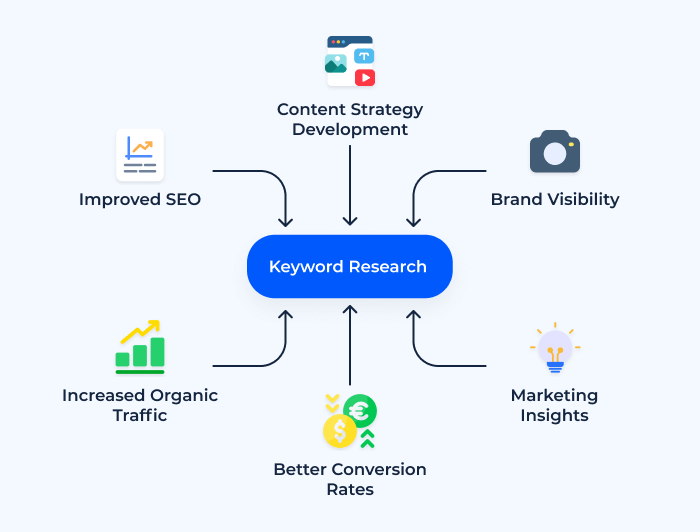
Ever stumbled upon a tutorial online that just didn’t show up in your searches, even though it sounded perfect? Yeah, me too—that’s the magic (or lack thereof) of keyword research. I’m no wizard, but after years of tinkering with websites and crafting online guides, I’ve learned that getting the basics right can turn your internet tutorials from hidden gems into viral hits. Let’s kick back and chat about the simple strategies that make keyword research feel less like a chore and more like a fun scavenger hunt through the web.
If you’re diving into creating tutorials for the internet, knowing how to pick the right keywords is your first step to getting noticed. Effective keyword research basics boil down to understanding what people are actually typing into search engines. In about 50 words: Start by brainstorming topics related to your tutorial, like “how to build a website for beginners,” then use tools to check search volume and competition—this helps you choose words that drive traffic without overwhelming you.
Picture this: I once spent a whole weekend writing a detailed tutorial on setting up a blog, only to realize no one was searching for my fancy phrases. It was like throwing a party and forgetting to send invites. That’s the beauty of keyword research—it’s about tuning into what your audience is whispering to Google. For internet tutorials, this means aligning your content with real queries, making your guides more accessible and helpful. Let’s break it down without the jargon overload.
Grasping the Fundamentals of Keyword Research
At its core, keyword research for tutorials is like eavesdropping on conversations—harmlessly, of course. You’re listening to what folks are curious about in the vast world of internet tutorials. Begin with a brain dump: Jot down words or phrases related to your topic. For instance, if you’re teaching “how to optimize images for websites,” think about variations like “best tools for image compression” or “SEO tips for web images.” This step keeps things organic, drawing from your own experiences or common online woes.
Errors to avoid in basic website designTo add some depth, consider the intent behind searches. Is someone looking for a quick how-to, a comparison, or deep advice? Tools like Google Keyword Planner or SEMrush can reveal insights, showing you search volume and trends. I remember using these for my first tutorial series; it felt empowering, like unlocking a secret door in the digital landscape. By focusing on long-tail keywords—those specific, conversational phrases—your tutorials can rank higher and connect more genuinely with readers.
Must-Have Tools to Kickstart Your Research
No fancy setup required; even free tools can make strategies for effective keyword research basics a breeze. Start with Google’s own suite—Keyword Planner is a gem for gauging interest in tutorial topics. Then, there’s Ahrefs or Ubersuggest, which offer competitor analysis. Imagine peeking at what top tutorial sites are ranking for; it’s like learning from the pros without the guesswork.
Here’s a quick table to compare a couple of popular tools, tailored for internet tutorial creators:
| Tool | Best For | Cost | Key Feature |
|---|---|---|---|
| Google Keyword Planner | Beginners building tutorials | Free (with Google Ads account) | Accurate search volume data tied to real queries |
| SEMrush | Advanced tutorial optimization | Starts at $99/month | Detailed competitor keyword analysis |
Using these, you can uncover golden opportunities, like realizing that “free online course platforms” gets way more hits than “best tutorial hosting sites.” It’s all about that variety—mixing broad terms with niche ones to cover your bases in the tutorial space.
Comparative analysis of popular email servicesStep-by-Step Strategies for Beginners
Alright, let’s get practical. I’ll walk you through a simple process, keeping it light and straightforward. First off:
1Brainstorm your core topic. Think about your tutorial’s main idea—say, “creating engaging video tutorials.” List out related keywords, pulling from everyday lingo or forum discussions you’ve seen online.
2Research volume and competition. Plug those ideas into a tool like Keyword Planner. Aim for keywords with decent search numbers but low competition—it’s your sweet spot for ranking in tutorial searches.
3Refine and expand. Look at related terms and synonyms; for example, if “internet tutorial tips” is hot, explore “online learning hacks.” This builds a robust keyword list that keeps your content fresh and relevant.
Innovative ideas for viral content creation online4Incorporate them naturally. Weave these into your tutorial’s title, headings, and body without stuffing—think of it as seasoning a dish, not overwhelming it.
This approach has saved me from countless content flops. It’s not just about SEO; it’s about making your internet tutorials resonate, like sharing a insider tip with a friend over coffee.
Pitfalls to Dodge in Your Keyword Journey
Even with the basics down, it’s easy to trip up. One common slip is ignoring seasonal trends—for internet tutorials, something like “holiday DIY guides” might spike in December, so timing matters. Another? Overlooking mobile searches; with everyone glued to their phones, phrases like “quick app tutorial on the go” could be key.
From my own blunders, I learned that chasing super-competitive keywords is a dead end. Instead, focus on what makes your tutorial unique, blending in cultural nods like referencing popular YouTube trends to keep things engaging and relatable.
Advantages of open-source software toolsPreguntas frecuentes
¿Qué es keyword research y por qué importa para tutoriales de internet? Es el proceso de encontrar términos que la gente busca, ayudando a que tus tutoriales aparezcan en resultados de búsqueda. Para creadores en línea, esto significa más vistas y engagement sin esfuerzo extra.
¿Cuánto tiempo toma aprender las bases? Con práctica, puedes dominar effective keyword research basics en una semana. Empieza con herramientas gratuitas y aplica a un tutorial pequeño para ver resultados rápidos.
¿Puedo hacer keyword research sin herramientas pagas? Absolutamente—Google Keyword Planner y sitios como AnswerThePublic ofrecen insights sólidos gratis, perfectos para principiantes en tutoriales de internet.
As we wrap up this chat, think about how your next tutorial could spark a conversation or solve a real problem online. What if you tried one new keyword strategy today? It might just be the nudge your content needs to shine in the digital crowd.